
Call us now :08045805092
 Send Inquiry
 Send Inquiry
Hydraulic Filters
Price 150 INR/ Piece
MOQ : 10 Pieces
Hydraulic Filters Specification
- Connection Type
- Threaded, flanged, weld-on, or custom as per design
- Valve Type
- Bypass valve included in certain models
- Features
- High dirt holding capacity, easy replacement, robust construction, various micron ratings
- Valve Size
- Depends on model - integrated bypass sizes available
- Material
- Stainless steel, Aluminum, Synthetic fiber media
- Application
- Oil Filter
- Structure
- Cartridge/Element type, Spin-On, Return Line, Suction Strainers
- Sealing
- O-Ring and gasket seal
- Type
- Suction Strainer, Spin-On, Return Line, Pressure Line Filter
- Pressure
- Up to 25 bar (Return Line), Up to 210 bar (Pressure Line), Suction Side: Ambient
- Media
- Hydraulic oil, compatible fluids
- Port Size
- 1/2 to 3 (as per model)
- Temperature
- -25C to +110C (typical)
- Length
- 5-10 Inch (in)
- Filter Replacement
- Spin-on/canister and element change types
- Weight
- Varies from 0.2 kg to 12 kg depending on size/type
- Maintenance Indicator
- Differential pressure indicator optional
- End Connection
- NPT, BSP, Metric threads available
- Mounting
- Inline, top-mounted, or tank-top
- Flow Rate Capacity
- Up to 1200 LPM (depending on filter size/model)
- Micron Rating
- 5, 10, 25, or 125 microns (selectable)
- Compatibility
- Hydraulic oils, lubricants, synthetic oils
- Brand Examples
- Equivalent to Hydac, MP Filtri, Bosch Rexroth, EPE
Hydraulic Filters Trade Information
- Minimum Order Quantity
- 10 Pieces
- Supply Ability
- 10000 Pieces Per Day
- Delivery Time
- 2-3 Days
About Hydraulic Filters
Hydraulic filters are devices used in hydraulic systems to remove contaminants and impurities from hydraulic fluids. Hydraulic systems are used in various industrial and mobile equipment, such as excavators, tractors, and cranes, to power and control mechanical components. The hydraulic fluid used in these systems can become contaminated with dirt, debris, and other impurities, which can cause damage to the system and reduce its efficiency. Hydraulic filters are designed to remove these contaminants and ensure that the hydraulic fluid remains clean and free of impurities. They typically consist of a housing, filter media, and a bypass valve, which regulates the flow of fluid through the filter. Hydraulic filters come in different types, including suction filters, pressure filters, and return line filters, and they are available in various sizes and configurations to suit different hydraulic systems. Regular maintenance and replacement of hydraulic filters is essential for ensuring the smooth operation and long service life of hydraulic systems.
Versatile Filtration Solutions
Offered in cartridge/element, spin-on, return line, suction strainer, and pressure line variants, our hydraulic filters provide dependable solutions for various industrial oil filtration needs. With up to 1200 LPM flow capacity and compatibility across a range of fluid types, they meet demanding operational requirements in diverse environments.
Robust Construction and Easy Maintenance
Crafted from stainless steel, aluminum, and advanced synthetic fibers, these filters are built for durability. High dirt holding capacity, O-ring and gasket seals, and convenient spin-on or element replacement simplify ongoing system maintenance while ensuring reliable filtration performance.
Flexible Design and Mounting Options
Choose from inline, top-mounted, or tank-top mounting. Filters are available with threaded, flanged, weld-on, or custom connections, accommodating multiple installation preferences for seamless integration with existing hydraulic systems.
FAQ's of Hydraulic Filters:
Q: How do I select the appropriate micron rating for my hydraulic system?
A: Choosing the right micron rating depends on your system's cleanliness requirements. Lower micron ratings (such as 5 or 10) are suitable for sensitive components requiring fine filtration, while higher ratings (25 or 125) are ideal for general-purpose or high-dirt-load applications. Consult your equipment specifications for guidance.Q: What maintenance indicators are available for these hydraulic filters?
A: Many models offer an optional differential pressure indicator that alerts users when filter replacement is necessary. This helps schedule maintenance proactively, preventing unscheduled downtime and ensuring optimum filter performance.Q: When should I replace my hydraulic filter element or spin-on canister?
A: Filters should be changed based on pressure drop indicated by the maintenance indicator or as per your equipment's service schedule-typically when excessive dirt accumulation is detected or oil flow is compromised. Regular inspection is recommended for optimal system health.Q: Where can these hydraulic filters be installed within a system?
A: These filters are designed for flexible installation and can be mounted inline, on top, or tank-top depending on system layout. They are commonly used in return lines, suction lines, or pressure lines, offering compatibility for various hydraulic circuit locations.Q: How does the integrated bypass valve benefit filter operation?
A: Integrated bypass valves, included in certain models, allow fluid to bypass the filter if excessive clogging occurs. This prevents system starvation, maintains flow, and safeguards equipment during filter service intervals or unexpected blockages.Q: What fluids and oils are compatible with these hydraulic filters?
A: Our filters are compatible with a wide range of fluids, including hydraulic oils, lubricants, and synthetic oils, ensuring effective filtration in diverse industrial and mobile hydraulic applications.Q: What are the main advantages of using these high-capacity hydraulic filters?
A: Key benefits include high dirt holding capacity, robust and corrosion-resistant construction, quick-change elements or spin-on options for easy maintenance, selectable micron ratings, and multiple mounting/connection types, offering tailored solutions for modern hydraulic systems.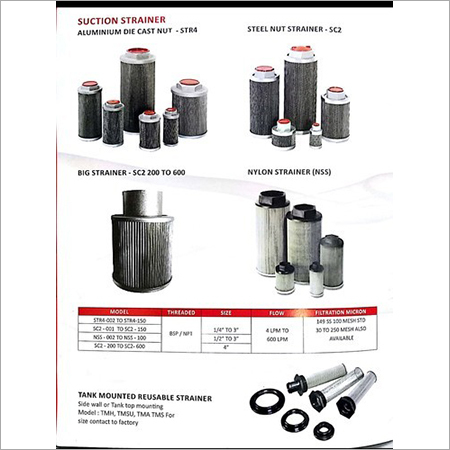
Tell us about your requirement

Price:
Quantity
Select Unit
- 50
- 100
- 200
- 250
- 500
- 1000+
Additional detail
Mobile number
Email

More Products in Solenoid Valves Category
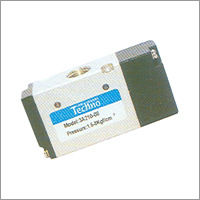
Pilot Valve
Price 700 INR / Piece
Minimum Order Quantity : 10 Pieces
Pressure : Other, 1.5 8 kg/cm2
Media : Other, Air
Power : Other, Pneumatic driven
Structure : Pilot
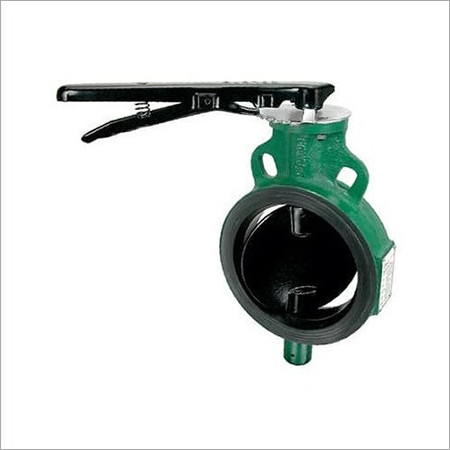
Zoloto Ball Valves
Price 200.0 INR / Piece
Minimum Order Quantity : 10 Pieces
Pressure : Medium Pressure Bar
Media : Other
Power : Manual
Structure : Other, Onepiece body, Full Bore Ball Valve
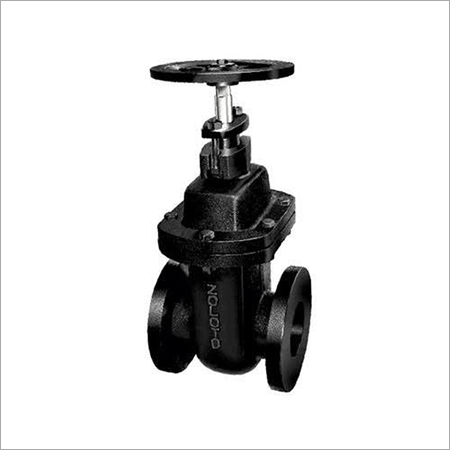
Zoloto Sluice Valves
Price 3600 INR / Piece
Minimum Order Quantity : 1 Piece
Pressure : Other, PN 1.6 MPa / 16 Bar
Media : Other, Water, Oil, Gas, Steam
Power : Manual
Structure : Other, Bolted Bonnet, Rising Spindle
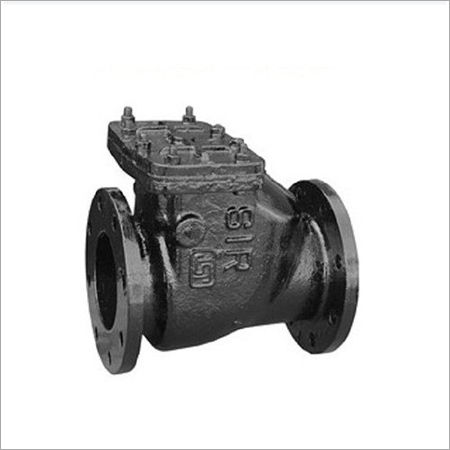
Zoloto Non Return Valve
Price 185 INR / Piece
Minimum Order Quantity : 10 Pieces
Pressure : Other, Class 125/150 or as per IS/BS standards
Media : Other, Water, steam, air, oil, gas
Power : Other, Manual (nonautomated operation)
Structure : Other, Swing type check valve


 Send Inquiry
Our Products
- Bakelite knobs
- Automatic Lubrication Units
- Solenoid Valves
- Camlock Coupling
- Steel Balls
- Air Blow Gun
- Metal and Industrial Nuts
- Metal Bolts
- Metal Bolt Nuts
- Metal and Machine Screws
- Metal and High Strength Bolts
- Hoses and Hose Fittings
- Automobile Interiors and Accessories
- Metal and Machine Washers
- Fiber Yarns and Threads
- Industrial Valves and Valve Fittings
- Hydraulic and Pneumatic Tools
- Industrial Pipe and Tube Fittings
- Rivets and Shackles Fasteners
- Hand Slide Valve
- Coolant Pipe
- Anchor Bolt
- Hand Operated Grease Pump
- Hydraulic Pipe Clamp
- Air Compressor Pressure Switch
- Automobile Body Coach Building
- Push In Fittings
- Pin Type Anchor Fasteners
- Air Hose Reel
- Hydraulic Quick Release Coupling
- PU Tube Cutter
- Oil Indicator
- Clamp Knobs
- Janatics Pneumatic PVC Pipe
- Janatics Pneumatic FRL Unit
- Janatics Pneumatic Tube Fittings
- Polyurethane Tube
- Polyurethane PU Tubings
- Pneumatic Cylinder
- Pneumatic FRL Unit
- Green PU Rope
- Junction Blocks
- Grease Nipples
- Brass Ball Valve
- Brass Medium Pressure Mini Ball Valve
- Zoloto Butterfly Valve
- Hydraulic Flow Control Valve
- Zoloto Gate Valves
- Ball Plunger Screw
- Corroshield Screws
- Butterfly Valve


115, K K Arcade, 1St Floor, 98 Narayan Dhuru Street,Mumbai - 400003, Maharashtra, India

Mr Jitendra M Shah
(Director)
Mobile :08045805092
 Send Inquiry
 Send SMS
Developed and Managed by Infocom Network Private Limited.


 English
 Spanish
 French
 German
 Italian
 Chinese (Simplified)
 Japanese
 Korean
 Arabic
 Portuguese